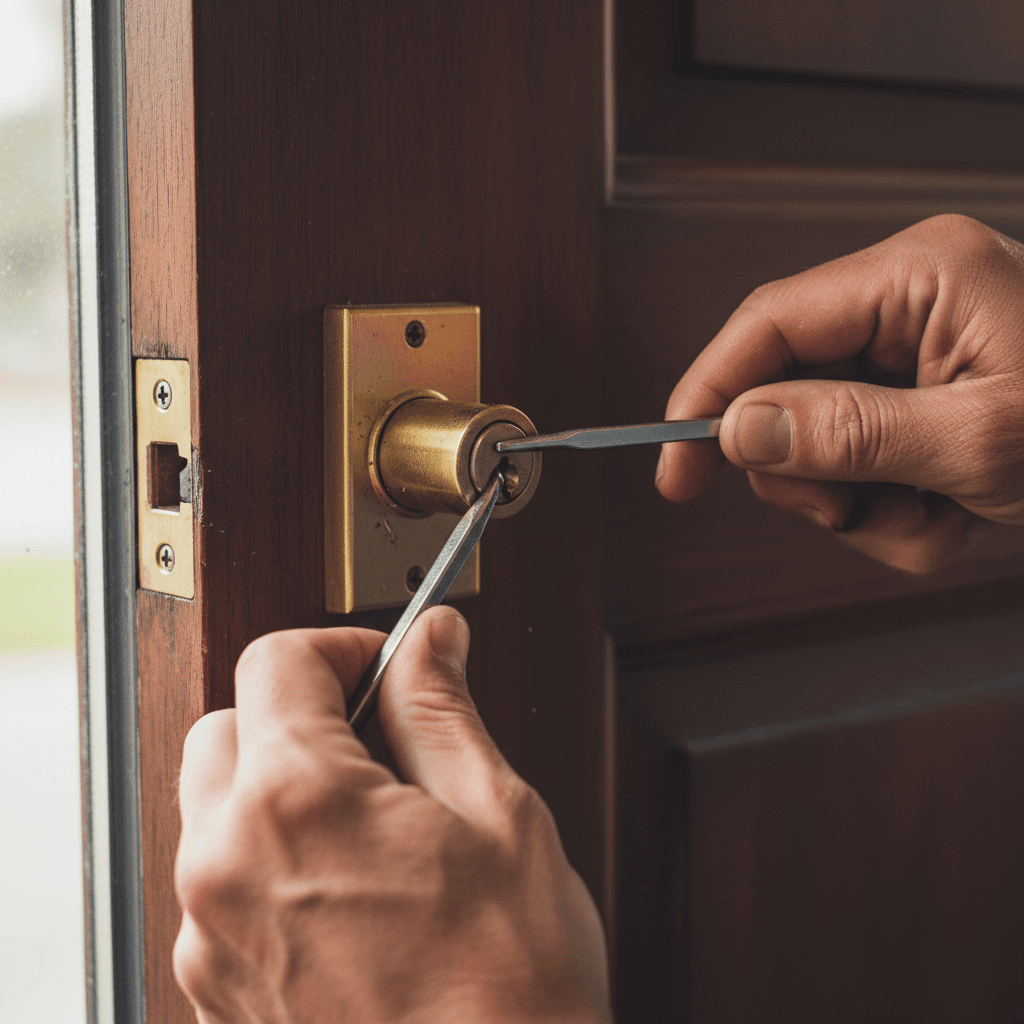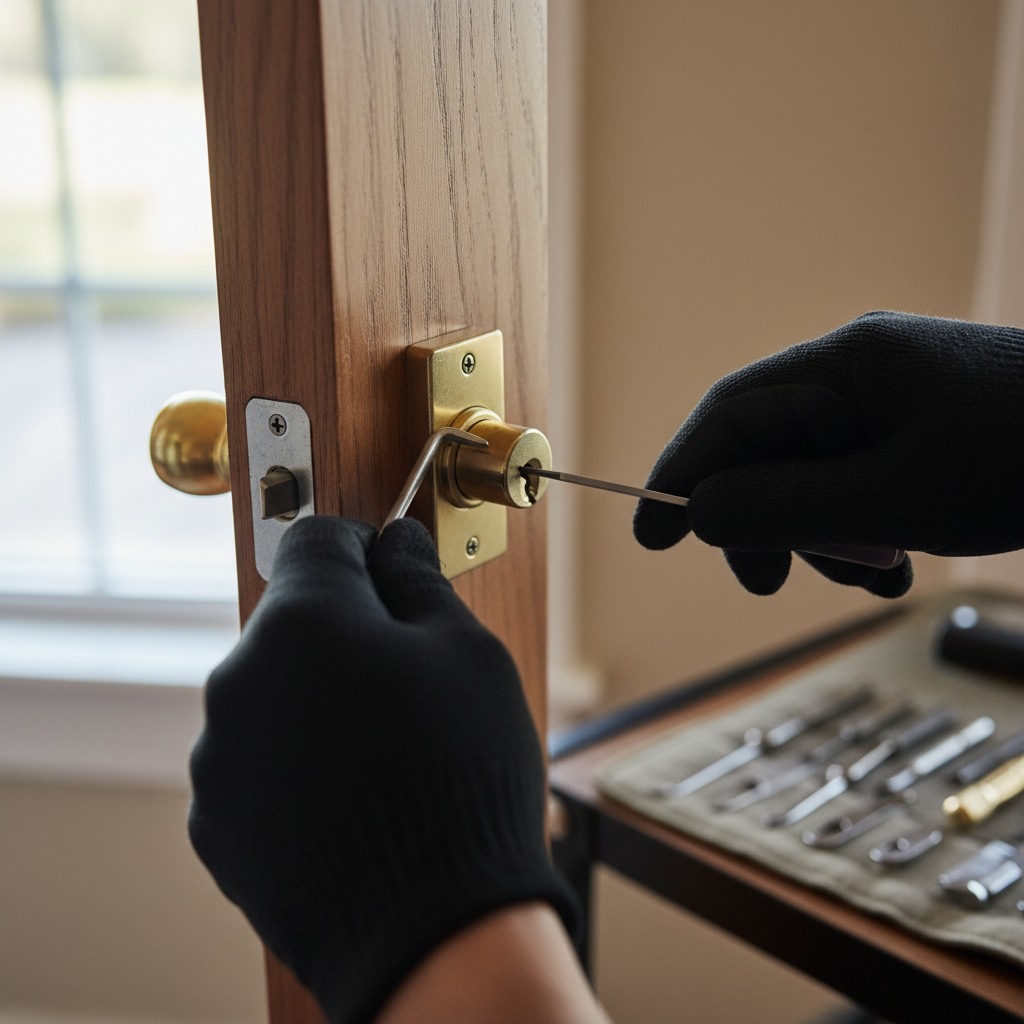
A commercial security audit Massachusetts business owners prioritize is a comprehensive evaluation of physical locks, access control systems, and entry point vulnerabilities to ensure site safety. This professional assessment identifies hidden security gaps in door hardware and key management protocols while providing actionable steps to fortify the property. By conducting regular reviews, local companies can effectively protect their assets and maintain a secure environment for employees.
Running a business in Massachusetts requires constant vigilance against evolving physical threats and shifting liability standards. Many facility managers realize too late that their existing hardware is outdated, non-compliant, or easily bypassed by modern methods. A single weak point in your entry system or an unmanaged master key roster can compromise your entire operation. Professional security is not just about keeping people out; it is about creating a controlled, compliant environment that protects your assets and your staff. In this guide, we break down the essential components of a commercial security audit tailored to the unique regulatory landscape of the Commonwealth. You will learn how to evaluate your exterior perimeter, inspect door frame integrity, and ensure your access control systems meet current life safety and fire codes.
Why Your Massachusetts Business Needs a Physical Security Audit
Operating a business in the Greater Boston area presents unique security challenges, particularly in high-density commercial hubs like Medford, Somerville, and Malden. A comprehensive commercial security audit for a Massachusetts business is not merely a box-ticking exercise for insurance compliance; it is a vital strategy to reduce liability and protect physical assets. Insurance providers often require specific hardware standards to maintain coverage, and failing to meet these can lead to claim denials after a breach occurs.
It is important to differentiate between a general security review, which often focuses on software and surveillance, and a locksmith-led physical assessment. While a general consultant might suggest adding cameras, a professional locksmith examines the physical integrity of your hardware. In Stoneham and the surrounding region, many businesses operate out of converted historic buildings or older retail storefronts. These spaces frequently utilize outdated or even residential-grade locks that were never designed to withstand the high-traffic demands or sophisticated forced-entry techniques common in a commercial environment.
Weak strike plates, sagging frames, and bypassed latches are common vulnerabilities in these older structures. By utilizing professional commercial locksmith services in Medford, you ensure that your audit identifies these mechanical failures before they are exploited. A physical audit evaluates the actual strength of the door, the grade of the hardware, and the effectiveness of the locking mechanisms, providing a level of granular detail that generic security checklists often overlook. This foundation of physical protection serves as the starting point for securing the entire premises.
Step 1: The Exterior Perimeter and First Line of Defense
A thorough commercial security audit Massachusetts business owners invest in must begin at the property line. We utilize the 5 Ds of physical security framework to evaluate the exterior: Deter, Detect, Delay, Deny, and Defend. The goal is to view the property through a criminal's eyes, identifying easy opportunities for concealment or entry.
For many Greater Boston storefronts, especially in dense areas like Somerville or Malden, the back alley door is the primary vulnerability. These doors are often shielded from public view, allowing intruders time to work undisturbed. Ensure these entry points are illuminated with high-output, motion-activated LED fixtures. Shadows are an intruder's best friend, so audit your perimeter for dead spots in surveillance coverage where a camera’s line of sight is obstructed by structural columns, dumpster enclosures, or HVAC units. Professional commercial locksmith services in Medford can identify if these obscured entry points require reinforced plates or specialized sensors to compensate for low visibility.
Landscaping also plays a critical role. Overgrown shrubs near windows or doors provide cover for unauthorized access. Maintain a clear line of sight by keeping foliage trimmed below window levels and away from entryways. Finally, check the integrity of exterior gates and fencing. If a gate remains propped open or a fence has a gap, the rest of your security measures are compromised. Physical security starts with making your business look like a difficult, high-risk target before a burglar even reaches the door.
Step 2: Commercial Door Hardware and Frame Integrity

A critical phase of a commercial security audit Massachusetts business owners should prioritize involves a technical evaluation of door hardware and frame stability. We look for the Builders Hardware Manufacturers Association (BHMA) ratings on every lock set. For high-traffic storefronts in Medford or office buildings in Stoneham, ANSI Grade 1 hardware is the necessary standard. Grade 1 locks are tested to withstand one million cycles and significant physical force. In contrast, Grade 2 or Grade 3 hardware, often found in residential settings or big-box stores, will fail prematurely under commercial use, leaving your entry points vulnerable to simple forced entry.
The door frame is just as important as the lock itself. We inspect frames for sagging or gaps that develop as older Massachusetts buildings settle over time. A door that does not sit square in its frame causes strike plate misalignment, which prevents the deadlatch from engaging correctly. If the deadlatch, which is the small pin next to the main latch, falls into the strike plate hole along with the latch, the door is susceptible to latch shimming. This technique allows an intruder to use a thin tool to retract the latch in seconds. Installing a steel latch guard is a simple, effective way to deny this specific attack.
For a deeper look at specific hardware components, refer to our guide on Commercial Door Hardware for Massachusetts Businesses. During our commercial locksmith services in Medford, we often recommend upgrading to continuous hinges for heavy or high-use doors. Unlike standard butt hinges that stress three specific points on a frame, a continuous geared hinge distributes the door's weight along the entire length of the opening. This prevents the sagging that leads to latching failures. We also ensure strike plates are secured with reinforced screws that anchor directly into the building's structural studs rather than just the decorative wooden trim, providing a much higher level of resistance against kick-ins.
Step 3: Access Control and Master Key System Review

Even the strongest ANSI Grade 1 lock fails if an unauthorized individual holds a key. A commercial security audit Massachusetts business owners perform must evaluate the who, where, and when of facility access. Start by auditing your current key control policy. Do you maintain a precise inventory of every key in circulation? Many Stoneham storefronts rely on standard keys that employees can easily duplicate at a hardware store kiosk. We recommend upgrading to restricted, patented keyways. These systems require authorized signatures for duplication, ensuring you retain absolute control over your perimeter and preventing unauthorized copies from circulating among former staff.
When reviewing commercial master key systems, consider the trade-offs between mechanical and electronic solutions. Mechanical systems offer a hierarchical structure that is reliable and cost-effective for smaller offices. However, electronic access control using key fobs or cards provides an invaluable audit trail and allows for instant permission changes. This is particularly vital for managing employee turnover protocols. If an employee leaves the company, electronic access can be revoked in seconds via software, whereas a lost mechanical master key might necessitate rekeying the entire building.
For many businesses in Woburn or Stoneham, a professional rekeying service is the most immediate and cost-effective first step identified during an audit. This process resets your security baseline by changing the internal pins of your existing locks, rendering old keys useless without the expense of full hardware replacement. Our commercial locksmith services in Medford frequently implement these updates to ensure that only current, authorized personnel possess the means to enter your property.
Step 4: Massachusetts Life Safety and Fire Code Compliance

While strengthening your perimeter is vital, security must never compromise the ability of occupants to exit safely during an emergency. A professional commercial security audit Massachusetts business owners receive includes a rigorous check against NFPA 101 Life Safety Code requirements. In Massachusetts, state laws are strict regarding single-motion egress. This means a person must be able to open an exit door from the inside with one single action, such as pushing a panic bar or turning a lever, without needing a key, a tool, or any special knowledge.
During our commercial locksmith services in Medford, we frequently identify illegal locks that pose serious safety risks. A common violation is the installation of double-cylinder deadbolts on primary exit doors. Because these require a key from both sides, they can trap employees or customers inside during a fire. Such violations do more than just endanger lives; they frequently lead to heavy fines and failed inspections from local fire marshals in Medford or Malden.
Our assessment ensures that your security hardware, including panic bars and fire-rated exit devices, meets both your defense needs and state mandates. We verify that door closers function correctly to maintain fire barriers and that exit hardware is not obstructed by chains or unauthorized padlocks. This balance prevents legal liability while maintaining a robust physical defense for your facility.
Step 5: Protecting High Value Interior Zones
A comprehensive commercial security audit Massachusetts business owners undertake must extend beyond the perimeter to internal high-value zones. In the tech-heavy corridors of Burlington and Cambridge, protecting physical data infrastructure is as critical as cybersecurity. Server rooms require heavy-duty hardware, often involving standalone electronic locks that provide detailed audit trails. These logs allow management to track exactly who accessed a room and when, serving as a powerful deterrent against internal theft and helping resolve inventory discrepancies in retail stockrooms.
Executive offices and rooms housing sensitive documents should utilize restricted keys or fobs to limit exposure. During our commercial locksmith services in Medford, we often find that internal doors use substandard hardware compared to exterior entrances. Every lock must be inspected for proper function and grade. Furthermore, review your storage of physical assets. Safes should not only be high-security but also professionally bolted to the floor to prevent removal. Integrating these interior points into commercial master key systems ensures that high-security zones remain isolated from general staff access while remaining accessible to necessary personnel.
What to Expect During a Professional Locksmith Assessment
When Keymark Locksmith arrives for a commercial security audit Massachusetts business owners can expect a methodical, hands-on walkthrough of the entire facility. We do not simply glance at your entry points; we physically test every opening, including windows, delivery bays, and interior partitions. Our technicians examine the mechanical tolerances of every latch and the alignment of every strike plate to ensure they meet the rigorous standards outlined in our guide on Commercial Door Hardware for Massachusetts Businesses.
Following the inspection, we provide a detailed, prioritized report. This document categorizes vulnerabilities by risk level, distinguishing between urgent life safety violations and long-term hardware upgrades. This clarity allows you to budget effectively, focusing first on high-risk areas like compromised commercial master key systems or failing exit devices. Regarding the investment, the cost typically depends on the square footage of your property and the total number of openings. While the price varies by scale, it frequently pays for itself through reduced liability and potential insurance premium discounts. By engaging our commercial locksmith services in Medford, you transform your security from a reactive expense into a proactive asset that prevents the costly downtime associated with a physical breach.
Protecting your commercial property requires a balanced approach to hardware, access control, and routine maintenance. Using this checklist can help you identify obvious risks, but a comprehensive audit often reveals deeper security gaps. If you want expert help ensuring your business meets the highest safety standards, you can explore our full range of Services online. Let our experienced locksmiths help you build a more secure environment for your employees and assets, allowing you to operate with complete confidence.