If your smart lock not working Massachusetts is caused by freezing temperatures, you should first replace the batteries and check for physical latch obstructions or alignment issues. For emergency lockouts, try using a physical backup key or checking secondary entry points; if the device remains unresponsive due to moisture damage, a professional locksmith may be necessary.
Standing outside your home on a frigid Massachusetts evening only to find your smart lock unresponsive is more than a minor inconvenience; it is a security risk. Whether you are dealing with a frozen deadbolt in a historic Boston brownstone or a battery drained by the sudden drop in temperature, these sophisticated devices require local expertise to troubleshoot effectively. At Keymark Locksmith, we understand that New England weather presents unique challenges for digital entry systems. In this guide, we will examine why smart locks fail in our specific climate, how to diagnose mechanical versus electronic issues, and the immediate steps you should take during an emergency lockout. From battery maintenance to brand specific fixes for Yale and Schlage, you will learn how to ensure your home remains accessible and secure throughout the harshest seasons.
Why Smart Locks Fail in the Massachusetts Climate
The intersection of advanced technology and the volatile New England climate often leads to frustrating hardware failures. While manufacturers test their products in controlled labs, they rarely account for the specific thermal stresses found in the Greater Boston area. When a smart lock not working Massachusetts residents often assume it is a software glitch, but the reality is frequently mechanical, driven by the rapid expansion and contraction of local door frames.
In towns like Stoneham and Medford, many homes feature wood doors that are highly sensitive to humidity. During a humid summer, the wood swells; as temperatures plummet in the winter, the frame shrinks. This shift causes the deadbolt to misalign with the strike plate by just a few millimeters. While a human can pull or push a door to compensate for this friction, a small electric motor cannot. If the motor detects even slight resistance from a misaligned plate, it will often trigger a jam error or fail to engage entirely.
Furthermore, the transition from high humidity to sudden freezing temperatures can lead to internal condensation. When moisture becomes trapped inside the lock housing and then freezes, it creates a phenomenon similar to frost heave. This ice buildup can seize internal gears or interfere with the sensitive electronics of the keypad. As a Stoneham locksmith, we frequently see these environmental factors combined to cause total mechanical seizure. Understanding these regional climate impacts is the first step in maintaining reliable residential locksmith services and avoiding an unexpected lockout during a nor'easter.
The Impact of Freezing Temperatures on Smart Lock Batteries

While mechanical shifts are a primary culprit, the chemical limitations of power sources are equally significant during a Medford winter. Most smart locks rely on AA or CR123A batteries, which generate electricity through internal chemical reactions. When temperatures drop below freezing, these reactions slow down significantly, increasing internal resistance within the cell. A battery that reports 40 percent health during a mild October afternoon may seem reliable, but that capacity reflects its performance at room temperature. Once the mercury hits 20 degrees in January, the voltage drop is often so severe that the battery can no longer provide the high surge current required to actuate the motor.
Battery Type | Performance in Cold | Recommended Use |
|---|---|---|
Alkaline | Poor; water-based electrolyte becomes sluggish or freezes | Indoor-facing battery compartments only |
Lithium | Excellent; stable chemical composition down to -40°F | Standard for Massachusetts exterior doors |
For homeowners seeking reliable residential locksmith services, we always recommend switching to high-quality lithium batteries. Lithium cells do not contain water and maintain a steady voltage even in extreme cold. When homeowners find their smart lock not working Massachusetts winters are often the culprit, particularly if they ignored early signals like a slower mechanical sound during the locking cycle or a specific LED blink pattern on the keypad. As a dedicated Stoneham locksmith, we frequently see these avoidable power failures lead to the need for emergency lockout services in Medford during the coldest months of the year.
Troubleshooting a Smart Lock That Won't Unlock
When you are standing on your porch and the keypad refuses to light up, the first step is to isolate whether the failure is electronic, power-related, or mechanical. If your keypad is dark and provides no audible feedback, the power source has likely reached a critical failure point. Many modern units from manufacturers like Yale or Schlage include emergency jump-start terminals on the bottom of the exterior housing. By touching the contacts of a fresh 9V battery to these terminals, you can provide enough temporary current to power the electronics, allow a code entry, and retract the bolt. This bypasses the dead internal batteries without requiring any tools.
If the keypad lights up but the lock fails to turn, you must determine if the issue is connectivity or physical resistance. Check your mobile app to see the status. If the app indicates the door is locked but you have already entered the correct code, the motor is likely struggling against a misaligned strike plate. Listen for a grinding or struggling sound; this indicates the motor is trying to move but is blocked by friction. In these cases, pulling the door toward you or pushing firmly while entering the code can sometimes relieve enough pressure for the bolt to retract.
Avoid the common advice found on forums suggesting the use of a pry bar or heavy force. Attempting to manhandle a smart lock not working Massachusetts residents often find that this leads to cracked door frames or splintered wood, turning a simple lock failure into an expensive carpentry project. A professional bypass is always the safer route for your property. When a jump-start fails or the motor is seized, a Stoneham locksmith utilizes specialized tools to manipulate the mechanical cylinder or internal actuator. This non-destructive approach preserves the integrity of your door and hardware, providing a swift resolution through emergency lockout services in Medford without the collateral damage of a DIY attempt.
Common Mechanical Issues in Older Boston Area Homes
In historic neighborhoods throughout Somerville and Cambridge, the architectural charm of older homes often hides structural shifts that directly impact modern security hardware. As these foundations settle over decades, door frames inevitably move out of square. This structural movement is a primary reason for a smart lock not working Massachusetts homeowners frequently encounter. When a frame shifts by even an eighth of an inch, the deadbolt no longer aligns perfectly with the strike plate hole.
While you might instinctively lift or pull the handle to lock a manual bolt, a smart lock motor lacks that intuition. If the bolt rubs against the strike plate, the motor must work significantly harder to complete its cycle. This constant friction is a silent battery killer, often draining a fresh set of lithium cells in weeks rather than months. Eventually, the motor may burn out entirely or trigger a persistent "jammed deadbolt" signal that prevents the door from locking or unlocking electronically. This mechanical strain often leads to an unexpected call for emergency lockout services in Medford when the internal gears finally seize during a cold snap.
Sign of Mechanical Stress | Probable Cause | Impact on Smart Lock |
|---|---|---|
Audible grinding sound | Misaligned strike plate | Motor strain and gear wear |
Bolt stops halfway | Door sag or frame shift | Immediate jam error |
Rapid power loss | Excessive motor friction | Frequent battery replacement |
The most effective diagnostic step for any Stoneham locksmith is the friction test. Operate the lock with the door open, then repeat the process with the door closed using the manual thumbturn. If you feel any resistance or hear the bolt scraping against metal when the door is shut, you have a mechanical alignment issue rather than an electronic failure. Addressing these tolerances through professional residential locksmith services ensures that your smart hardware functions reliably without the motor fighting the house's natural settling.
Locked Out of Your House with a Dead Smart Lock? Here is the Professional Fix

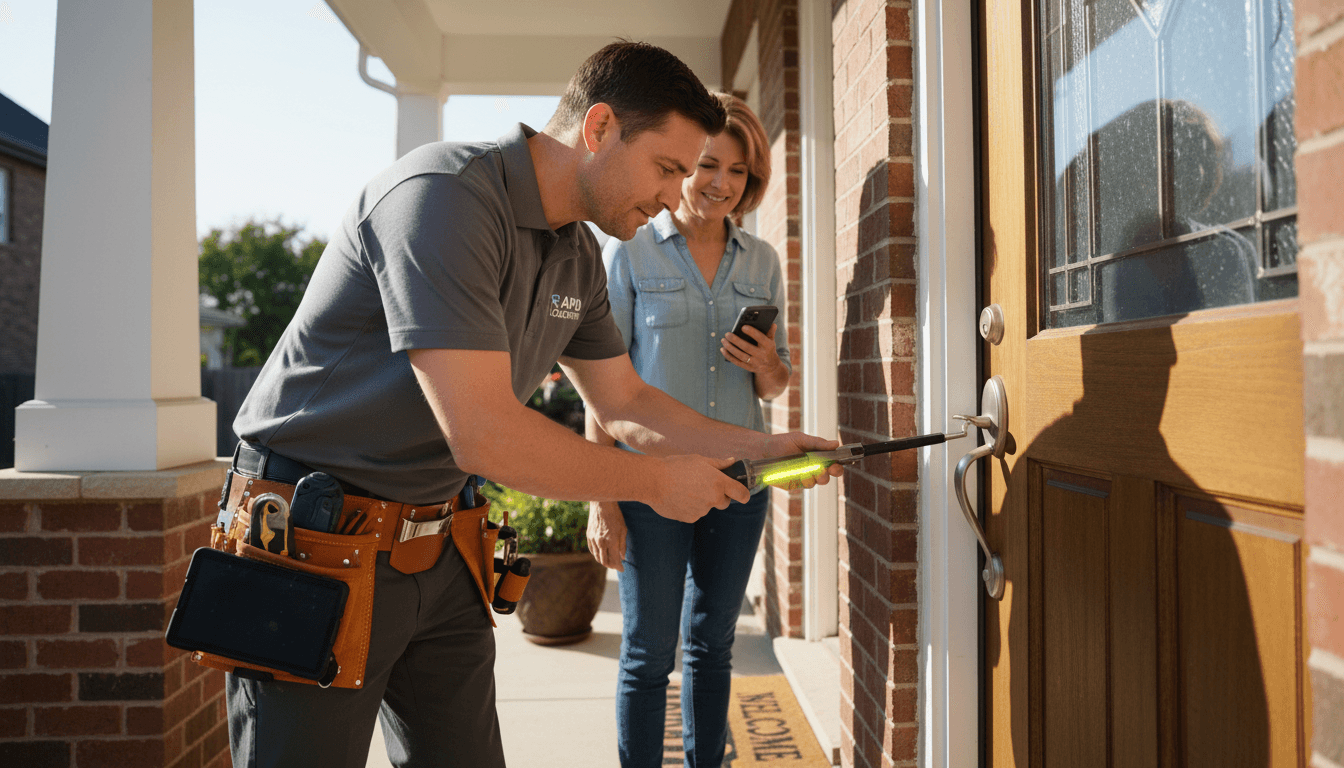
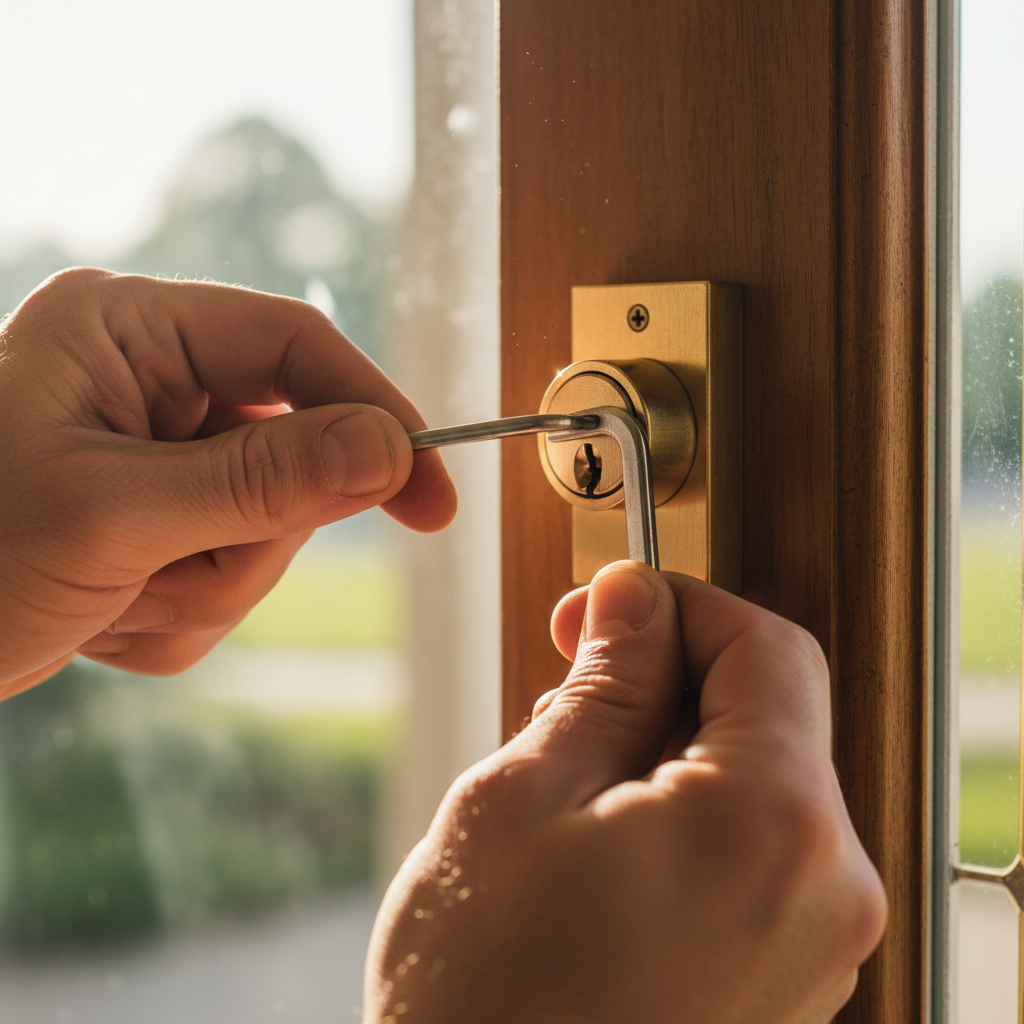
When a smart lock fails to engage and you are standing outside your Medford home, the immediate priority is regaining access without compromising the security of your door. To unlock a door when you are locked out, the professional solution involves bypassing the digital interface to engage the mechanical override. This is where a Stoneham locksmith provides a distinct advantage over DIY attempts. While online tutorials often suggest destructive methods like drilling the cylinder or prying the frame, our technicians utilize non-destructive entry (NDE) techniques.
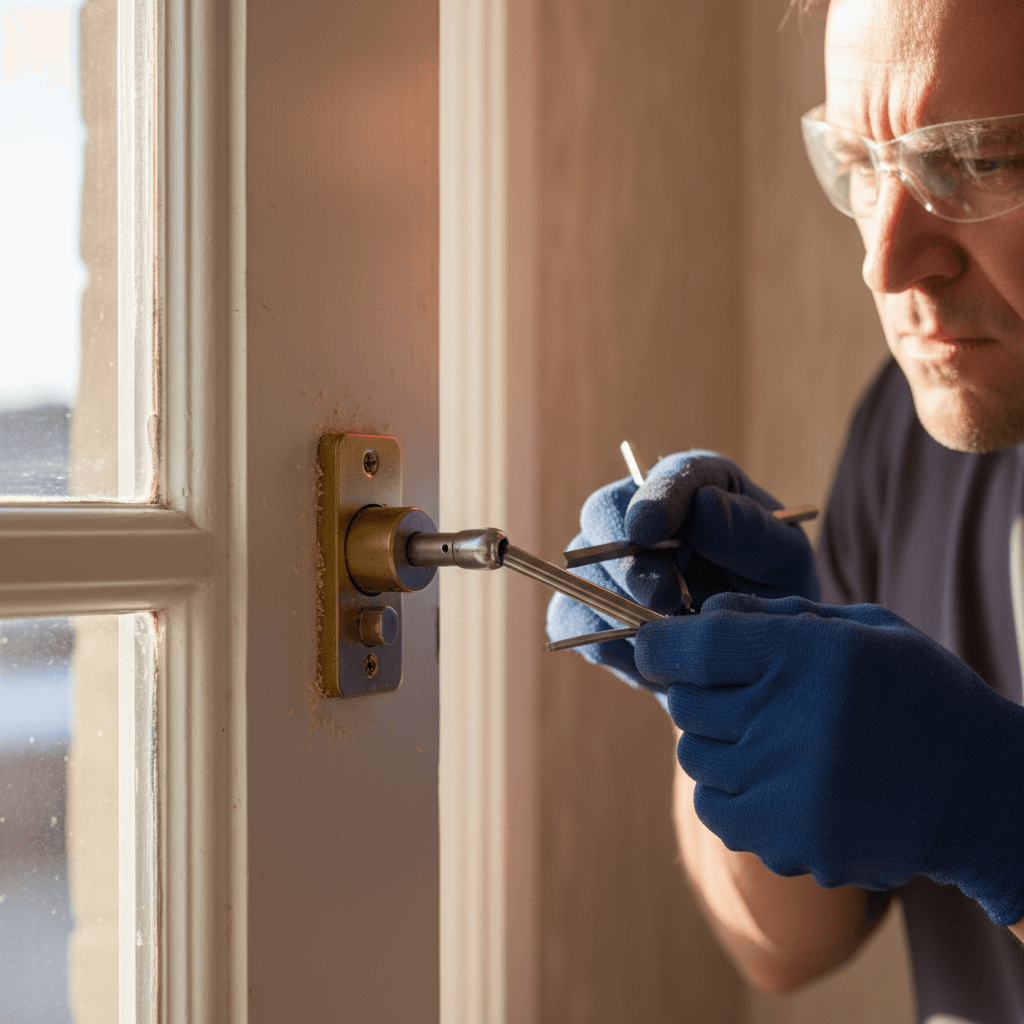
Most smart locks, even those without a visible keyway, have internal components that can be manipulated with precision tools. For instance, if the digital solenoid has seized, we can often use specialized bypass tools or pick the physical override cylinder if one exists. This approach ensures the lock remains functional after entry is gained. In cases where the smart lock not working Massachusetts residents face is due to a totally dead battery and the external jump start fails, we can sometimes use air wedges to create a non damaging gap for tool insertion to actuate the interior thumbturn.
Entry Method | Tooling Required | Potential Damage |
|---|---|---|
Professional NDE | Lock picks, bypass tools, shims | None; hardware remains intact |
DIY Prying | Screwdriver, crowbar | High; cracked frames and door skin |
DIY Drilling | High-speed drill, carbide bits | Total; lock must be replaced |
Choosing emergency lockout services in Medford ensures that your sophisticated hardware is handled with expert care. Keymark Locksmith operates 24/7 to provide residential locksmith services throughout the Greater Boston area. We arrive with the specific diagnostic equipment needed to identify the failure point and get you inside quickly, regardless of whether it is a mild afternoon or a freezing winter night.
Brand Specific Troubleshooting for Schlage, Yale, and Kwikset
Schlage, Yale, and Kwikset dominate the local market; however, each brand presents unique vulnerabilities when faced with a New England environment. For Schlage Encode or Connect models, the internal turn piece is a common failure point. If the thumbturn spins freely without engaging the bolt, the tailpiece has likely disconnected from the actuator. This mechanical slip often stems from the extreme thermal expansion cycles typical of a Stoneham winter.
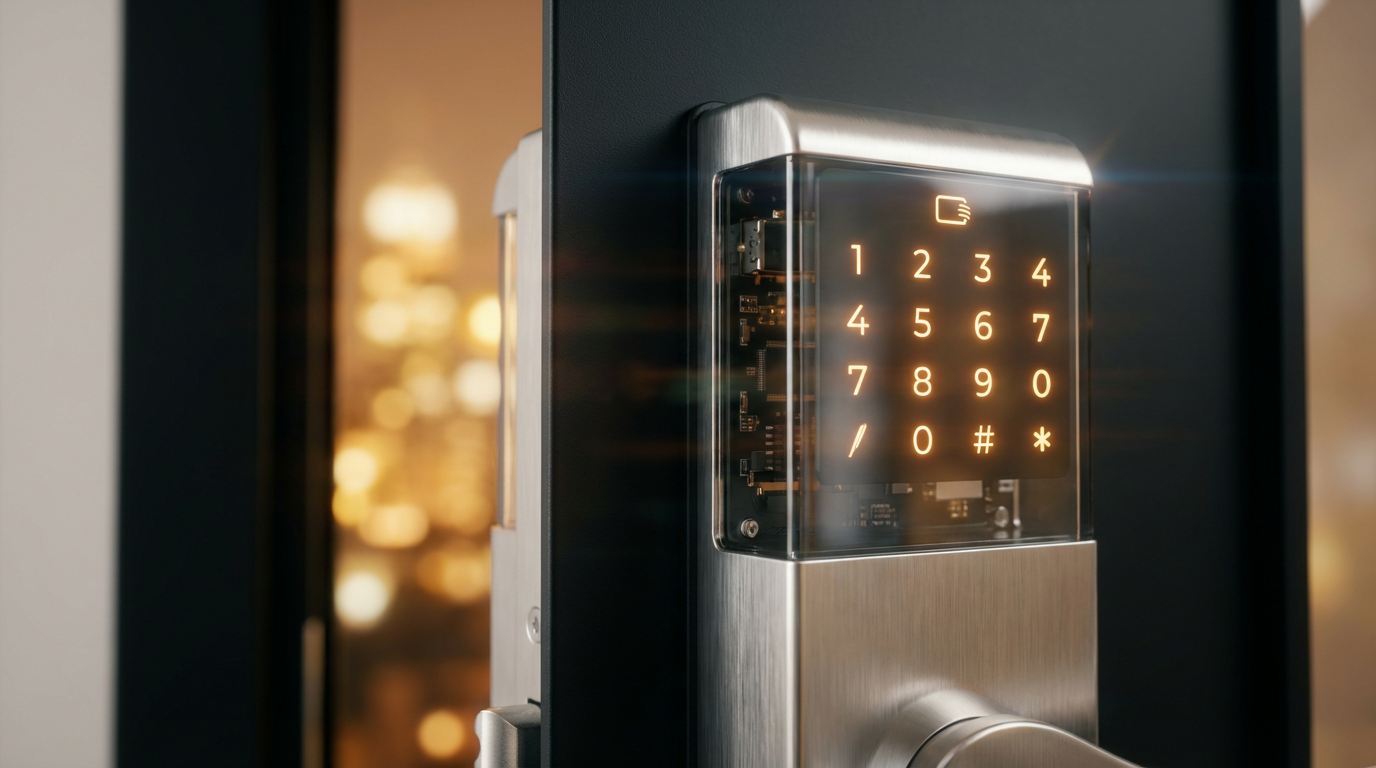
Yale Assure locks frequently encounter issues with capacitive keypad sensitivity. During freezing rain or periods of high humidity, the all-touch screen may fail to recognize input because ice or condensation creates a barrier between your finger and the sensor. Simply clearing the frost usually restores function.
Kwikset users often face a handing error after a battery change. If the lock is powered up while the bolt is in the wrong position, the motor loses its orientation and may fail to lock. Additionally, the SmartKey cylinder can become jammed if road salt or grit enters the keyway. If you encounter a smart lock not working Massachusetts residents should look for these brand-specific cues before calling for emergency lockout services in Medford. For persistent mechanical failures that a simple reset cannot fix, a Stoneham locksmith can recalibrate the internal timing or provide professional residential locksmith services to restore your security.
Preventative Maintenance for Massachusetts Homeowners
Proactive care is the most effective way to ensure your security hardware survives a New England winter. Establish a strict maintenance schedule by replacing your batteries every October, ideally before the first frost hits Middlesex County. High-quality lithium batteries are essential for exterior-facing units; they maintain a consistent voltage in sub-zero temperatures that causes alkaline cells to fail. This simple annual swap prevents a smart lock not working Massachusetts homeowners often experience during the first deep freeze of January.
Mechanical friction is the primary enemy of smart lock motors. Apply a dry lubricant, such as a Teflon or graphite-based spray, to the deadbolt and latch assembly twice a year. It is critical to keep these lubricants away from the electronic touchpads or internal circuit boards to avoid short-circuiting the device. If you notice the lock consistently signaling a jam or requiring manual force to engage, the strike plate likely needs a professional adjustment.
Maintenance Task | Frequency | Recommended Material |
|---|---|---|
Battery Replacement | Annually (October) | High-quality Lithium AA or CR123A |
Bolt Lubrication | Bi-annually | Dry Teflon or Graphite spray |
Strike Plate Check | Seasonal | Professional alignment |
Addressing alignment issues early through residential locksmith services prevents the motor from burning out prematurely. A Stoneham locksmith can realign your door and frame to ensure a frictionless fit, providing peace of mind and reducing the likelihood of requiring emergency lockout services in Medford during a storm.
Keeping your smart lock functional during a Massachusetts winter requires a proactive approach to battery care and hardware maintenance. While simple troubleshooting often resolves minor issues, some cold weather malfunctions can be more complex to fix on your own. If you find yourself needing expert help or a professional installation to ensure your home remains secure, you can explore our full range of Services online. Our team is always available to provide local support and reliable solutions tailored to your specific security needs.